Profound Treatment
Biofeedback for Anxiety
Biofeedback for anxiety is an effective treatment method for those who have treatment-resistant anxiety or other symptoms.
Table of Contents
What is Biofeedback?
Biofeedback helps with anxiety by teaching individuals to regulate their physiological responses to stress and anxiety-provoking stimuli. Research has shown that heart rate variability (HRV), a type of biofeedback, can be an effective treatment for anxiety. It is considered a safe and non-invasive treatment option. Biofeedback for anxiety is often combined with other treatments options as well.1
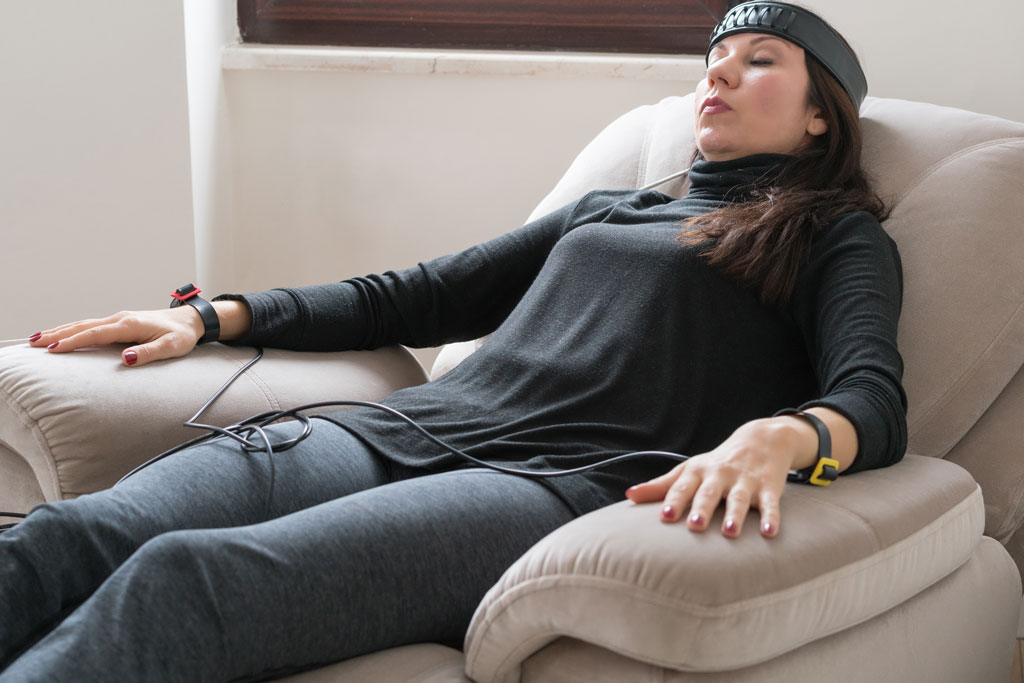
Biofeedback for anxiety is a form of therapy that involves using technological devices to measure and monitor various physiological functions in the body. It helps individuals become more aware of these functions, such as heart rate and muscle tension. These devices provide feedback in real time, allowing individuals to learn how to control their body’s response to stress and other anxiety risks.
Contact Profound Treatment to Learn More
Our team is standing by to discuss treatment options with you. Your call is completely confidential and no obligation is required.
How Does Biofeedback Work?
During a session of biofeedback for anxiety, a therapist will attach sensors to the individual’s skin to measure and monitor their physiological responses. The sensors transmit this information to a computer or other device, which displays the data in a graph or visual display. The individual will be asked to engage in activities or think about topics that could cause their anxiety to spike.
As individuals become more aware of their physiological responses to these activities, they can learn how to control them as well. Biofeedback for anxiety therapy can be conducted in a healthcare provider’s office or remotely through specialized equipment and software.
When Is It Used?
Biofeedback is used to help individuals identify when they are becoming anxious, leading to a better understanding of their anxiety causes. It helps people increase their control in stressful or anxiety-inducing situations. Biofeedback is often used to treat other conditions as well, including chronic pain, high blood pressure, or sleep disorders.
What is Anxiety?
Anxiety is a common mental health disorder characterized by excessive worry and fear. Various factors, including genetics, life events, and stress, can cause anxiety disorders. Anxiety can interfere with a person’s daily activities and quality of life and may lead to other health problems if left untreated. There are several types of anxiety disorders, including generalized anxiety disorder, panic disorder, social anxiety disorder, and phobias.2
Anxiety Causes
Several factors contribute to the development of anxiety disorders. However, the specific cause for each individual varies. Factors that cause anxiety disorders may include:
- Genetics
- Life events
- Stress
- Medical conditions
- Substance abuse
- Personality traits
Anxiety Symptoms
Anxiety disorders can cause a range of physical and emotional symptoms, including:
- Excessive worry and fear
- Difficulty sleeping
- Restlessness or feeling on edge
- Irritability
- Rapid heartbeat
- Shortness of breath or difficulty breathing
- Dizziness or lightheadedness
- Sweating
- Nausea or stomach discomfort
- Muscle tension or trembling
- Headaches
- Fatigue
Statistics on Anxiety
According to the World Health Organization (WHO), anxiety disorders are among the most common mental health disorders worldwide. In the United States, it is estimated that around 40 million adults suffer from an anxiety disorder.3
Anxiety disorders are more common in women than men, with women being twice as likely to experience an anxiety disorder. It is estimated that almost seven million adults in the United States suffer from Generalized Anxiety Disorder (GAD).4
Who Suffers from Anxiety?
Risk Factors of Anxiety
There are a variety of factors that may increase an individual’s risk of developing an anxiety disorder, including:
- Genetics
- Life events
- Stress
- Substance abuse
- Personality traits
Biofeedback Therapy For Anxiety
Research has shown that biofeedback therapy can be an effective treatment for anxiety disorders. Biofeedback for anxiety can be particularly useful in helping individuals learn to control their physiological responses to things that may make them anxious. Biofeedback helps individuals suffering from anxiety in the following ways:
Help Reverse Hyperactive Responses in Anxious Brains
Anxiety disorders are characterized by excessive and persistent worry and fear, which can lead to hyperactivity in certain brain areas. This hyperactivity can manifest as physiological responses such as rapid heartbeat and difficulty breathing and can significantly impact an individual’s quality of life.
Biofeedback for anxiety measures and monitors these physiological responses. Individuals can reduce their anxiety symptoms and improve their overall well-being by learning to control these hyperactive responses.
Help Calm Overactive Brain Cells
Biofeedback therapy can help individuals learn techniques to regulate these responses by providing feedback on their physiological responses to stress. This helps reduce anxiety symptoms and can lead to a calming effect on overactive brain cells, improving an individual’s overall well-being.
Why Choose Biofeedback for Anxiety?
It is a non-invasive treatment option that does not involve using medications. Biofeedback for anxiety can be tailored to an individual’s specific needs and goals, making it a highly personalized treatment option. It is generally considered a safe treatment with few side effects.
Studies have demonstrated significant improvements in anxiety symptoms in individuals who have undergone biofeedback therapy.
Biofeedback and Anxiety in Children
Biofeedback therapy can be an effective treatment option for children with anxiety disorders because it is non-invasive, drug-free, customizable, and generally considered safe. Anxiety disorders are common in children and can significantly impact their quality of life.
During biofeedback for anxiety, children are trained to become aware of their physiological responses to stress, such as rapid heartbeat or difficulty breathing. Therapists will teach the children techniques to regulate these responses through specialized equipment and software. Children can reduce anxiety symptoms and improve their overall well-being by learning to control these responses.
Benefits of Biofeedback Therapy
There are several potential benefits of biofeedback therapy, including:
- Better memory
- Decreased anxiety
- Improved sleep
- Decreases depression symptoms

Resources
- https://www.heartmathbenelux.com/doc/blog/31_Goessl%20Hofmann%202017%20HRV_BF%20meta_stress_anxiety.pdf
- https://www.nimh.nih.gov/health/topics/anxiety-disorders
- https://www.nami.org/About-Mental-Illness/Mental-Health-Conditions/Anxiety-Disorders
- https://adaa.org/understanding-anxiety/facts-statistics
- https://www.ncbi.nlm.nih.gov/pmc/articles/PMC5407545/
Profound Treatment is proudly powered by WordPress