

Addiction Relapse: Know the Signs
Table of Contents
What is Addiction Relapse?
Addiction relapse is when someone starts using drugs or alcohol again after a period of being sober. During and after addiction treatment has been completed, there is a risk of a relapse occurring. This is why it’s essential to implement relapse support and prevention as part of a treatment program.
Relapse prevention is also important after someone leaves a treatment facility in order to recognize common relapse warning signs before it potentially occurs. recovery programs are available, and you don’t have to go through it alone.

Contact Profound Treatment to Learn More
Our team is standing by to discuss treatment options with you. Your call is completely confidential and no obligation is required.
Why Do People Relapse?
There are several reasons why someone may relapse. Things like stress, mental health issues, peer pressure, being in an environment where drug or alcohol use is common, or a lack of social support can all be risk factors for addiction relapse.1
Relapse can also happen when someone is going through an addiction recovery program. Relapse in recovery is usually due to withdrawal symptoms or having strong cravings to use drugs, which is why it’s a good idea to go to a treatment center during detox and the initial stages of recovery. That way, precautionary measures are put in place, and you have a solid support system around you.
What is Addiction? Understanding Addiction and Why Relapse Happens
Stages of Relapse
Emotional Relapse
- Anger
- Anxiety
- Defensiveness
- Intolerance
- Isolation
- Mood swings
- Not going to support group or recovery meetings
- Not seeking help or avoiding help
- Poor eating habits
- Poor sleeping habits
Mental Relapse
- Fantasizing about drugs or the feeling of being high
- Glamorizing or justifying past drug use
- Hanging out with people you once did drugs with
- Lying
- Planning a relapse or thinking about relapsing
- Thinking about people, places, or things associated with drug use
If you are experiencing any of these mental signs of relapse, it’s important that you tell someone right away, go to a support group meeting, or talk to a treatment professional. There are many resources available that can prevent a substance abuse relapse from occurring.
Physical Relapse
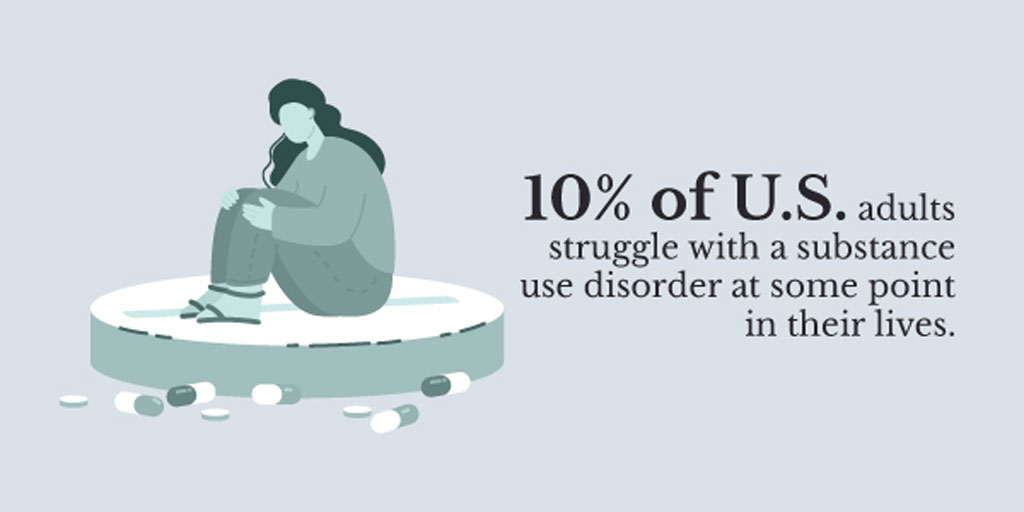
How Common Are Relapses?
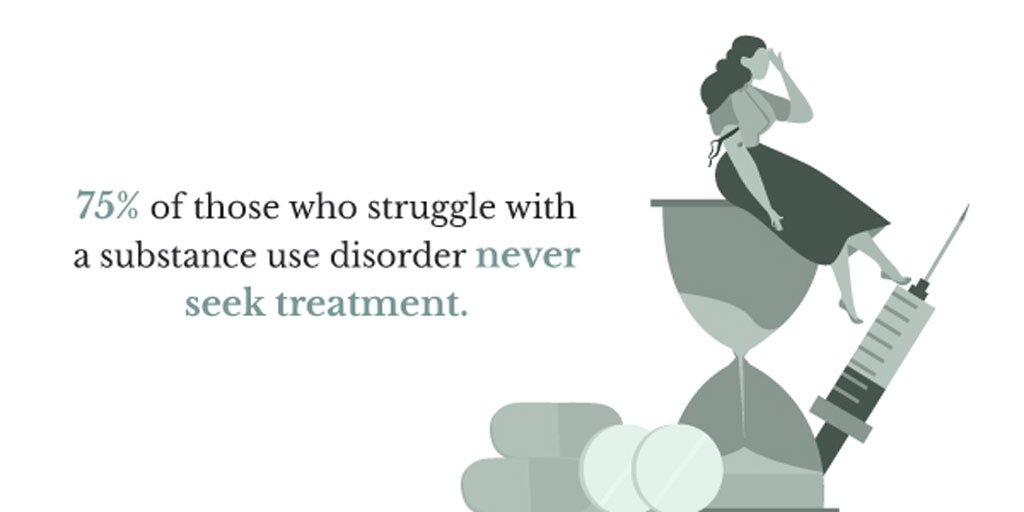
Is Relapse a Sign of Failure?
A relapse is not a sign of failure. If it happens, the relapse part of recovery isn’t easy and can be disheartening, but it doesn’t mean you should give up hope. Relapse recovery programs are available that can help you get back on track. With the right program and support system, you can recover and get sober again.
For family members, it is also important that you do not get mad or frustrated with your loved one if they have relapsed. Your loved one will need your support at this time. Getting angry may only worsen the situation or cause your loved one to push away rather than asking you for help or seeking help in other ways.
What Addiction Relapse Causes Should You Look Out For?
Stress
Easy Access
Revisiting Negative Connections
Social Isolation
Illness
Major Life Transition
Boredom
Recognizing Relapse Warning Signs
Overconfidence
Significant Change in Attitude
Significant Change in Behavior
Self-Imposed Isolation
Self-imposed isolation is also a common warning sign of relapse. When someone begins to isolate, it can signify mental health issues and other negative feelings. While isolation may feel like a way to cope, it will only worsen the problem and can lead to relapse.

Reviving Old or Negative Connections
Reviving old connections after rehab is a common warning sign that someone could relapse, especially if those connections are associated with past drug use. Relapse after rehab statistics from the National Library of Medicine state that 60% of young people under the age of 18 report direct social pressure from peers as a primary reason why they started using drugs or drinking again after receiving treatment.6
Adults 18 and over can struggle with direct social pressure after treatment, making it essential that enough support is provided post-treatment through aftercare from treatment centers, support groups, and other positive outlets.
Neglecting Personal Hygiene
If someone begins to exhibit poor hygiene, it could be a sign of a negative mental state or them beginning to neglect healthy habits. This can be a warning sign of relapse. If you notice someone’s health or hygiene slipping post-treatment, checking in with them or encouraging them to go to support group meetings or talk to a therapist is a good idea.
Dishonesty
Dishonesty is also a common warning sign of relapse. If you catch someone lying about where they were, who they were with, or displaying sneaky behavior, it could signify that they have started using drugs or are thinking about using drugs again. In these instances, it’s important to provide support and check in with them about what’s going on.
Relapse Warning Signs: a Brief Overview
Common Risk Factors for Relapse
There are many common risk factors for relapse. Understanding the risk factors can help spot them in a loved one or help you better manage these situations on your own. Common risk factors for relapse are:
- Exposure to past risks or causes
- Stress
- Interpersonal problems
- Peer pressure
- Lack of social support
- Pain due to injuries, accidents, or medical issues
- Low self-efficacy
- Negative moods
How to Avoid Relapse
Many steps can be taken to avoid relapse. A relapse prevention plan will help you follow the steps needed to take action when you are experiencing risks or temptations to use drugs.

Revisit Your Relapse Prevention Plan
Increase Meeting Attendance
If you begin to feel negative feelings or drug cravings coming on, increasing attendance to support group meetings is a good idea. 12-step programs are a common type of support group recommended after addiction treatment as a form of aftercare.
Meetings provide a supportive environment for times when you are feeling low or don’t know where else to turn to. They can also provide a consistent structure in your daily life, so you feel like you have a consistent network of people around you who have your best interest at heart.
Commit to Healthy Routines
Having a healthy routine is essential after you have completed addiction treatment. Going to work, working out, eating meals at specific times of the day, going to bed and getting up at the same time every day, and other healthy habits will help you maintain a consistently positive routine that will help avoid drug cravings and temptations.
Your positive routine will keep you in a healthy state of mind where you know exactly what needs to be done each day. When you stay on a routine, you will also see success in other areas of life, such as good performance at work or school, better physical and mental health, and feeling more energetic.
Build a Sober Network
Building a sober network is also a great way to make positive connections who can look out for your best interest or be there for you in times of need. Your sober network will help encourage positive life choices since our peers can be very influential on our lifestyles. Seeing friends from your network regularly will also help keep you in a healthy state of mind and give you something to look forward to at different times of the week. This helps reduce drug cravings and temptations significantly.
Increase Self-Care Practices
Increasing self-care practices is also an important part of recovery from substance abuse and avoiding a relapse. Self-care practices that will help include:
- Exercise: Starting an exercise routine is a great way to maintain healthy habits after treatment while improving your physical health. Your exercise routine will keep you on track and help you get out of the house to avoid isolation.
- Healthy eating: Maintaining a healthy diet will keep you feeling good, energetic, and in a positive state of mind. When your body feels good, you will be less likely to have drug cravings.
- Meditation: Mindfulness activities like meditation can help calm the mind in times of stress and keep you feeling grounded. Regularly meditating can be a great way to maintain sobriety after addiction treatment.
- Positive thoughts: Maintaining positive thoughts and a positive outlook on life is also crucial to maintaining sobriety. During addiction treatment, you will likely work with a therapist who will help you through different positive thinking exercises. Maintaining these practices after treatment is a great way to practice self-care.
Relapse Prevention Strategies
Help a Loved One Cope with Addiction Relapse at Profound Treatment
If you or a loved one is struggling with an addiction relapse or is displaying warning signs of relapse, Profound Treatment can help. Profound Treatment is an evidence-based treatment center in Los Angeles, California. Our treatment models are designed to get you the best possible results in a comfortable and structured atmosphere. Our supportive and encouraging staff will be with you every step of the way during recovery to make sure you create healthy habits and help to prevent relapse potential.
Reach Out and Begin Healing
If you have experienced a relapse, we have many resources to help you get back on track with inpatient treatment, outpatient treatment, and therapies to help manage addiction. If you complete a rehab program at Profound Treatment, our facility will provide aftercare through check-ins, recommending local support groups, and helping you create a plan for long-term success. Contact us today for more information about how we can help you.
Resources
- https://adf.org.au/reducing-risk/relapse/
- https://dhhr.wv.gov/BBH/DocumentSearch/MAT/OBMAT%20Policy%20Templates/Relapse%20Prevention%20Plan.pdf
- https://www.verywellmind.com/why-did-i-relapse-21900
- https://nida.nih.gov/publications/drugs-brains-behavior-science-addiction/treatment-recovery
- https://www.ncbi.nlm.nih.gov/pmc/articles/PMC3788822/
- https://www.ncbi.nlm.nih.gov/pmc/articles/PMC4539968/